
Small breed puppies aren’t just mini versions of their larger counterparts—they’re in a league of their own when it comes to nutrition. These little guys burn calories faster and have higher energy needs, mostly thanks to their zippy metabolisms. So, grabbing the right chow is crucial to keeping their tiny energy tanks full.
The importance of smaller kibble size can’t be understated. Those little mouths and developing teeth require something that fits just right. Smaller kibble sizes are easier for small breed puppies to handle, meaning mealtime is less about struggle and more about nutritious fun.
These puppies need a diet packed with the good stuff. Nutrient-dense foods are like a multi-tool in meal form, offering higher protein and calorie content to fuel growth spurts. This kind of diet supports developing immune systems, keeps energy levels sky-high, and ensures their bodies get everything necessary to grow up healthy and strong.
All this to say, choosing the right food is more than just checking a box—it’s about ensuring your tiny pup gets what they need to thrive. And that means grabbing formulas created with their specific needs in mind, from the first bite to the big leap to adult doghood.
Top Recommended Puppy Food Brands for Small Breeds
Switching gears to the top-notch brands in the small breed puppy food world, there are some clear winners. Royal Canin, Hill’s Science Diet, Purina Pro Plan, and Blue Buffalo have hit the mark with formulas specifically crafted for these tiny dynamos. Let’s face it: picking food from trusted names like these is more than half the battle won when it comes to quality nutrition.
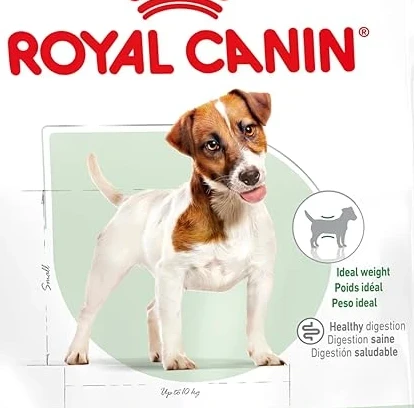
Royal Canin is a prime example, with their ‘Small Puppy Dry Dog Food’ paving the way for tailored nutrition. It’s a hit for pet parents wanting something that ticks all the boxes for growth and development support. Hill’s Science Diet isn’t far behind with its ‘Small Paws Puppy’ offering. Whether your preference is canned or dry, they’ve got both bases covered, making sure no pup goes hungry.
Then there’s Purina Pro Plan’s ‘Focus Puppy Small Breed’ formula. It’s another solid contender, available in both dry and canned options. It doesn’t stop at just top ingredients; the inclusion of DHA helps with brain development, a critical element as these little puppies learn about the big world.
Blue Buffalo brings ‘Baby BLUE Natural Small Breed Puppy’ into the game, and they’re scoring points with real meat as the first ingredient—a guarantee of high-quality protein. And if you’re all about that grain-free life, Wellness Core’s offerings are definitely worth checking out. They’re packing natural goodness into every bite, minus the fillers and artificial extras.
In the end, choosing from these top doggos in the brand world means your small breed puppy is in great hands. It’s not about having a preference; it’s about ensuring your little furball is thriving on the best diet possible.
Feeding Guidelines and Additional Tips for Small Breed Puppies
Feeding a small breed puppy can sometimes feel like a balancing act. Their rapid growth and boundless energy mean they need their meals spaced out just right. Dividing their daily intake into two or three meals works best, ensuring they have steady energy throughout the day.
When it comes to choosing between wet and dry food, it’s not about picking one over the other. Wet food can be easier to pick up for young pups with tiny teeth. Mixing a scoop of wet food with dry can give your furball the best of both worlds—dental health and urinary tract benefits combined in yummy parcels.
Knowing when to make the switch from puppy food to adult chow is key. Typically, once your small breed puppy hits between 6-12 months, they’re ready. The exact time can depend on their individual growth rate, so consulting your vet can help you nail down the right timeline.
Watch their weight as they grow. Free-feeding—leaving food out all day—can be okay for pups less than four months old, but any sign of chubbiness means adjusting quantities. Checking the feeding guidelines on the bag is a solid starting point, but keeping an eye on your pup’s specific age, weight, and activity level is where the real magic happens.
Lastly, don’t just follow generic advice—your vet is your best buddy when it comes to tailoring a program that’s just right. They know your puppy’s unique needs and can help tweak diets for optimum growth and health.
**Here’s a little transparency; Our website contains affilliate links. This means if you click and make a purchase, we may receive a small commission. Don’t worry,there’s no extra cost to you. It’s about simple way you can support our mission to bring you quality content.**