

When it comes to large breed puppies, feeding them properly isn’t just about keeping them full. These little giants grow fast, and their diets need to support that unique growth without risking their health. The focus should be on nutrition that promotes steady and controlled growth. Rapid growth can lead to bone and joint problems down the road, which is something every puppy parent wants to avoid.
So what exactly qualifies as a large breed? Generally, a puppy is considered a large breed if it’s expected to weigh anywhere from 50 to 70 pounds or more once it reaches adulthood. This could cover breeds like Labradors, Golden Retrievers, and German Shepherds—each needing a good start in life with the right food.
To meet these needs, foods labeled specifically for ‘Large Breed Puppy’ are essential. These are tailored to ensure slow and steady development, helping avoid the pitfalls of too-rapid weight gain. It’s a small step, but it can make a huge difference in the puppy’s lifelong well-being.
It’s not just about buying a special kind of puppy food, though. It’s about understanding why these nutritional tweaks, like balanced calcium and phosphorus levels or adequate protein, matter in the grand scheme of things. This kind of insight can really change the game for puppy health.
What to Look for in Large Breed Puppy Food
Choosing the right food for your large breed furball isn’t rocket science, but it does require a keen eye for specific ingredients that support healthy growth. A good large breed puppy formula should offer controlled calories and fat, which are crucial to promote steady growth without encouraging those extra pounds that can strain developing bones.
Balanced calcium and phosphorus levels are also crucial. These minerals are the backbone—literally—of healthy bone development, ensuring your puppy’s skeleton grows strong and straight, reducing the potential for nasty bone problems later in life.
And don’t skimp on the protein! Around 25–26% protein is the sweet spot for these little guys. It helps build muscle that supports growing joints, keeping them stable and reducing injury risk.
Then there’s DHA and EPA, which are fancy names for nutrients that boost brain and vision development. You want a smart, curious puppy, right? These ingredients are like brain food for your pup, supporting not only their body growth but also their cognitive development.
When scanning the endless aisles of puppy food, having these factors in mind will set you on the right track to nurturing a healthy and happy large breed puppy.
Choosing the Right Brand for Your Large Breed Puppy
With so many options out there, picking the perfect brand for your large breed puppy might feel overwhelming. Brands like Purina Pro Plan, Hill’s Science Diet, Royal Canin, Blue Buffalo, IAMS, Nutro, and Wellness have solid reputations for making nutrition-packed large breed puppy formulas. These trusted names tend to get it right when it comes to the delicate needs of your growing canine buddy.
If you’re considering a fresh or raw diet, it’s crucial to chat with your vet first. While these can seem like a healthy choice, they must be handled and balanced properly to ensure all nutritional needs are met without any risks.
Unlike small breeds, large breed puppies benefit from being fed measured meals rather than free-feeding. It keeps their weight in check and ensures they’re getting the right amount of nutrients at meal times, rather than snacking all day. It may require a bit more effort and routine, but the health payoff for your growing pooch is worth it.
Finding the right balance in the types of food can make a huge difference in your pup’s development. With these trusted brands and some careful consideration, you’ll be setting up your puppy for a future full of tail wags and playful afternoons.
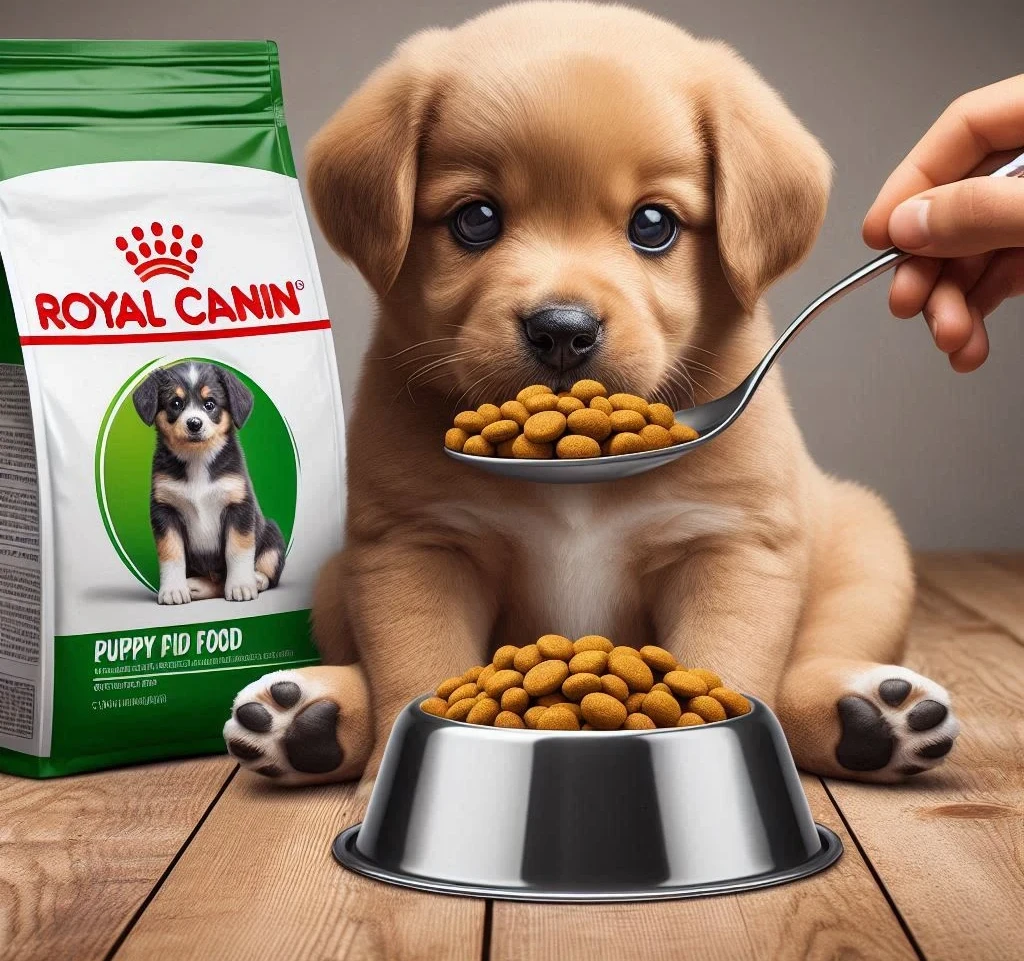
Feeding Guidelines and Best Practices
Feeding your large breed puppy efficiently is all about sticking to the right guidelines and best practices. Follow the feeding recommendations on the puppy food bag to the letter. It’s designed to give your puppy exactly what it needs based on their weight and age.
Keeping the treats to a minimum helps too. The 90/10 rule is handy here—90% of your puppy’s diet should be their main food, with treats making up the other 10%. This helps keep them trim and on track with their nutritional needs.
Large breed puppies often stay on puppy food for a bit longer than their smaller counterparts. Typically, they transition to adult food at about 12-18 months, but if your furball is going to be a really big dog, you might need to wait until they hit the 24-month mark.
Always remember to give your vet a call if you’re not sure about how much or what to feed. Their insights are invaluable, tailored to help ensure your four-legged family member grows up balanced and full of energy.
**Here’s a little transparency: Our website contains affilliate links. This means if you click and make a purchase, we may receive a small commission. Don’t worry,there’s no extra cost to you. It’s a simple way you can support our mission to bring you quality content.**