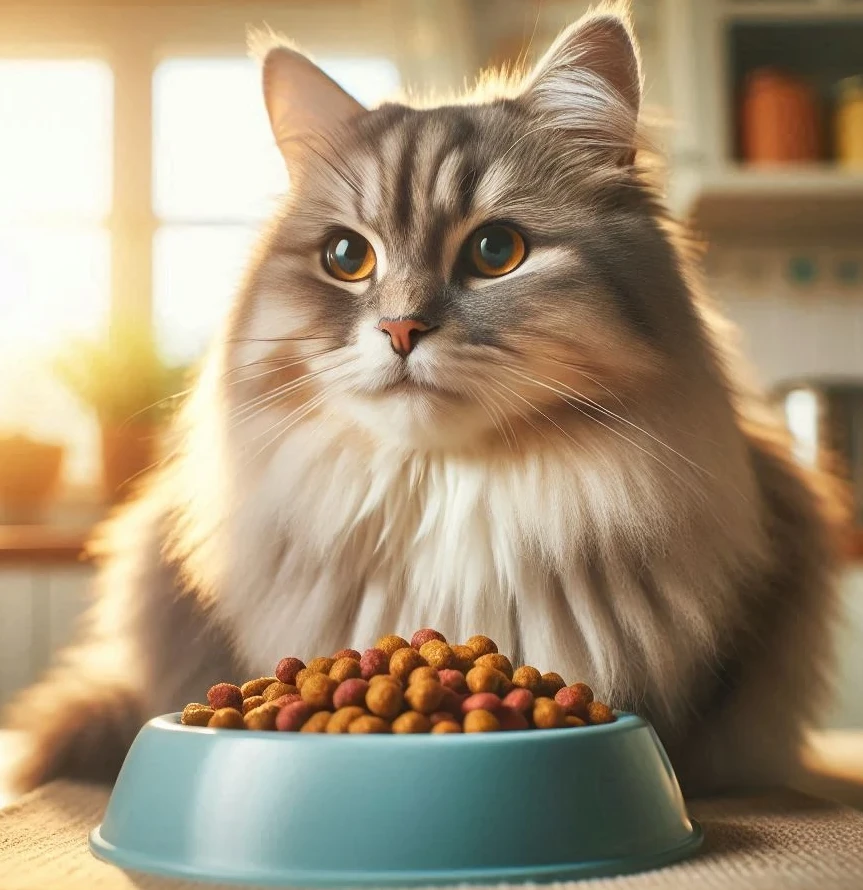
Feeding the older feline friend at home doesn’t have to be complicated when you know what they need to thrive. As cats age, maintaining muscle and weight becomes trickier, making diet crucial for their ongoing health. Here’s what their nutritional profile should ideally look like.
High-quality, digestible animal protein is the backbone of a senior cat’s diet. As they age, cats actually need more usable protein to prevent muscle loss and to help their bodies function smoothly. Sources like chicken, turkey, or fish are excellent choices to keep them purring happily.
Moisture plays a critical role, especially when it comes to maintaining kidney health. Many elderly cats benefit from wet food because it’s easier to digest, and adds that much-needed hydration. Dehydration can sneak up on older cats faster, so their diet isn’t just about taste but about ensuring they’re getting enough water too.
Nutrients that support aging systems are equally important. Omega-3 fatty acids help keep joints agile and brains sharp, while antioxidants like vitamins E and C bolster the immune system. Adding a bit of fiber into their diet — think pumpkin or beet pulp — keeps their digestion on track.
No one-size-fits-all formula exists, but adjusting based on each cat’s specific needs can do wonders. Consultation with your vet can help tailor the diet, ensuring every meal hits all the right notes for your cat’s twilight years.
Choosing the Right Food: Wet vs. Dry
Picking between wet and dry food can feel like a big decision, but breaking it down helps. Each option has its perks, and finding the right balance can make mealtime a joy rather than a chore.
Wet food is a go-to for many senior cats, especially those needing a hydration boost or dealing with dental woes. Its softer texture and stronger aroma make it irresistible, even for the pickiest eaters. Plus, the added moisture can be a lifesaver for kitty kidneys, providing that extra water boost with every meal.
Dry food isn’t completely off the table, though. If your cat’s on it and drinking well, dry kibble can still be part of the routine. It’s convenient, stores easily, and keeps those pearly whites working.
There’s a slew of senior-specific formulas out there from brands like Hill’s Science Diet and Royal Canin, designed with aging felines in mind. These options combine protein, antioxidants, and omega-3s to tick all the nutritional boxes.
It’s all about balance. Mixing wet with dry or sticking with one can depend on your cat’s specific needs and preferences. Keep an eye on their hydration levels, and if you’re ever unsure, a chat with your vet can set things straight.
Deciphering Food Labels: What Should You Look For?
Understanding cat food labels can feel like decoding a foreign language. But once you get the hang of it, you’ll choose the best options for your senior feline easily.
When you see something labeled “Chicken Cat Food,” that means it contains at least 95% chicken. It’s the real deal. Meanwhile, “Chicken Dinner” or “Chicken Recipe” means chicken makes up 25% to 94% of the food. If it says “With Chicken,” the chicken content might only be around 3%. And something labeled “Chicken Flavor” might have only a trace, just enough for taste.
Ingredient order matters, too. The first few items listed generally make up the bulk of the food. High-quality products will often list real meat first, which signals a protein-packed meal your cat’s body can actually use.
Don’t forget about additives. Some additives like taurine are essential, aiding in heart and eye health. Antioxidants such as vitamins E and C help the immune system stay strong. These little extras can make a significant difference in your senior cat’s diet.
Navigating labels like a pro means you’re better equipped to make decisions that cater to your cat’s specific needs. And when in doubt, a vet’s insight can provide clarity and ensure those labels match your cat’s health requirements.
Strategies for Maintaining Optimal Weight in Older Cats
Maintaining a healthy weight in senior cats is key to their overall well-being. Unlike us, they can’t tell when something’s off, so we’ve got to be their advocate. Understanding how many calories they need each day is a good start. Most senior cats might require between 180 to 220 calories daily, but these aren’t set in stone. You should watch their body condition more than just their age to guide portion size.
Decline in weight could signal a need for more protein-rich meals rather than cutting calories. Opting for moisture-rich, protein-dense foods can help manage weight while ensuring they’re getting the nutrients necessary. Consider adding vet-approved digestive enzymes if your cat’s struggling with digestion, as they can improve nutrient absorption.
Smaller, more frequent meals can also work wonders for senior cats. Instead of two big meals, try serving four or five smaller portions throughout the day. This strategy can help maintain their metabolism and keep them from feeling too hungry or too full.
Keep your cat active with regular playtime or interactive feeders that encourage them to move while they eat. This isn’t just about food; it’s about keeping them fit and happy as they get older. If weight changes are concerning, don’t hesitate to seek advice from your vet. They’re your partner in ensuring every bite of kibble or morsel of wet food counts towards a healthy weight.
Meeting Special Dietary Needs: Conditions Like Kidney Disease and Arthritis
As our feline friends age, they often face health issues like kidney disease or arthritis that require special dietary adjustments. Crafting the right diet with these conditions in mind can improve their quality of life.
For cats with arthritis, omega-3 fatty acids play a vital role in keeping joints supple and reducing inflammation. Foods that incorporate oils from fish or flaxseed can help alleviate some of the discomfort associated with arthritis.
When the kidneys need a little more support, diets with controlled phosphorus and sodium levels become essential. These nutrients can burden failing kidneys, so keeping them in check helps maintain kidney health.
Antioxidants, such as vitamins E and C, aren’t just for immune support, but also combat the oxidative stress that often accompanies chronic conditions. They boost your cat’s defenses against illness.
It’s crucial to shift to any new diet slowly, especially when underlying health issues are present. Immediate changes can upset their stomach or worsen existing conditions. Always collaborate with your vet when considering dietary changes to ensure the transition is smooth and based on expert advice.
Whether it’s a brand like BLUE True Solutions with its specialized formulations or another vet-recommended option, being proactive about dietary choices makes a big difference. With the right nutrition, your senior cat can navigate those golden years comfortably.
**Here’s a little transparency: Our website contains affilliate links. This means if you click and make a purchase, we may receive a small commission. Don’t worry, there’s no extra cost to you. It’s simple way you can support our mission to bring you quality content.**